What are GLP-1 peptides?
A peptide is a very small protein. It is a short chain of amino acids. GLP-1 peptides are one group within that family.
GLP-1 is short for glucagon-like peptide-1. It is a hormone the gut makes on its own. A receptor is the docking spot a hormone lands on. An agonist is a molecule that switches that docking spot on.
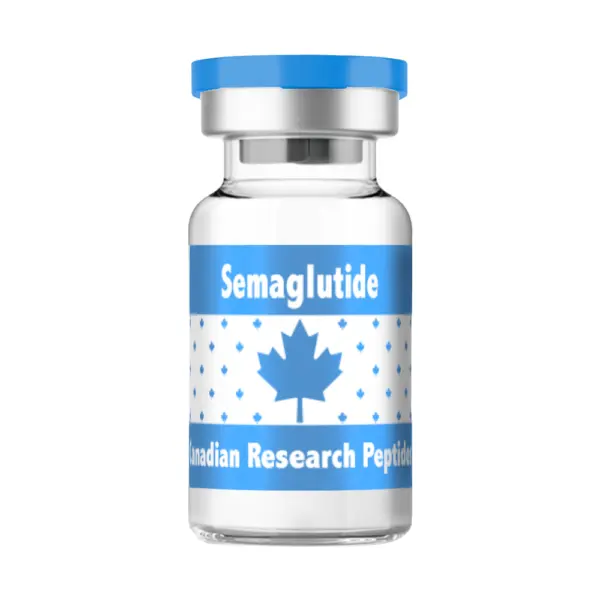
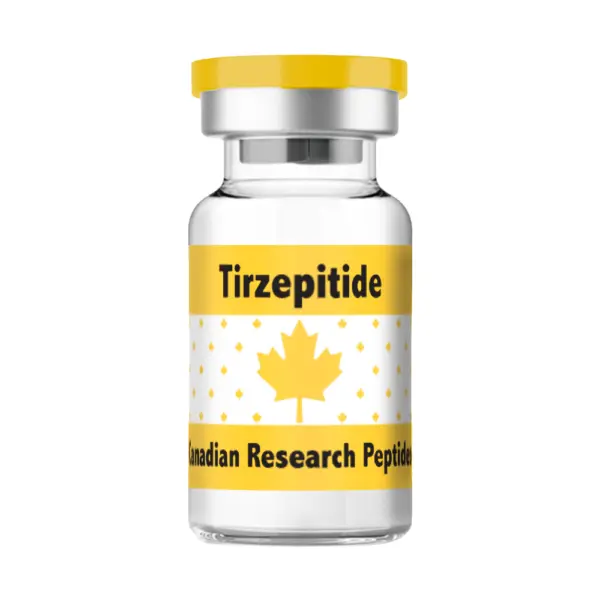
So a GLP-1 agonist binds the GLP-1 receptor and turns it on. Semaglutide, tirzepatide and retatrutide all do this. They differ in how many receptors each one can reach.
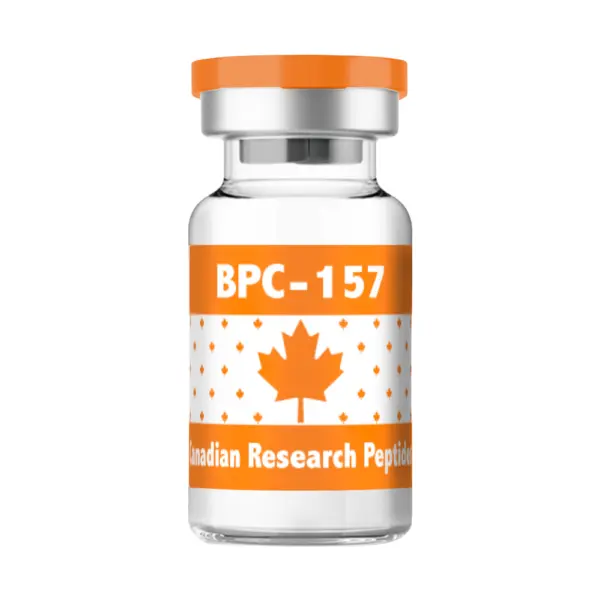
All three ship as dry powder in sealed vials. A lab reconstitutes the powder, which means mixing it with liquid.
How researchers use GLP-1 peptides
- Receptor counts. Semaglutide binds one receptor. Tirzepatide binds two. Retatrutide binds three.
- Binding strength. Labs measure how tightly each one holds its target.
- Signal studies. Studies track the chemical signals a cell sends once a receptor switches on.
- Metabolic research. This is the field where the whole group is studied.
- Dosage response. Work compares small mg and mcg amounts. One mg is 1000 mcg.
What we stock
Each compound has its own shelf. See the semaglutide category and the tirzepatide category. Retatrutide sits with them in our research peptide range.
Every vial is quality tested for purity before we list it.
Mixing supplies are in stock as well. We sell bacteriostatic water and needles and syringes. Or open the full store.
Shipping in Canada
We ship right across Canada. Delivery takes 3 to 7 business days.
Orders go out with Canada Post or Federal Express. Tracking comes with every order. Orders over $399 CAD ship free.
Every box is plain and unmarked. The label does not say what is inside. You can pay by Interac e-Transfer at checkout.
Common questions
What does GLP-1 stand for?
It stands for glucagon-like peptide-1, a gut hormone the body makes on its own.
How do semaglutide and tirzepatide differ?
Semaglutide acts on the GLP-1 receptor only. Tirzepatide acts on GLP-1 and GIP receptors.
Where does retatrutide fit in?
It adds a third target, the glucagon receptor. That makes it a triple agonist.
What form do they come in?
Sealed glass vials of dry powder. Labs mix each one with bacteriostatic water.
How should a mixed vial be kept?
In a fridge, out of sunlight. Dry, sealed vials keep longer than mixed ones.
Words you might not know
- Peptide — a very small protein, made of amino acids joined in a chain.
- GLP-1 — short for glucagon-like peptide-1, a gut hormone.
- GIP — short for glucose-dependent insulinotropic polypeptide, another gut hormone.
- Receptor — a docking spot on a cell that a molecule binds to.
- Agonist — a molecule that switches a receptor on.
- Vial — a small glass bottle with a rubber top.
- Reconstitute — to mix a dry powder with liquid so it can be used.
Sold for laboratory research only. Not for human consumption.