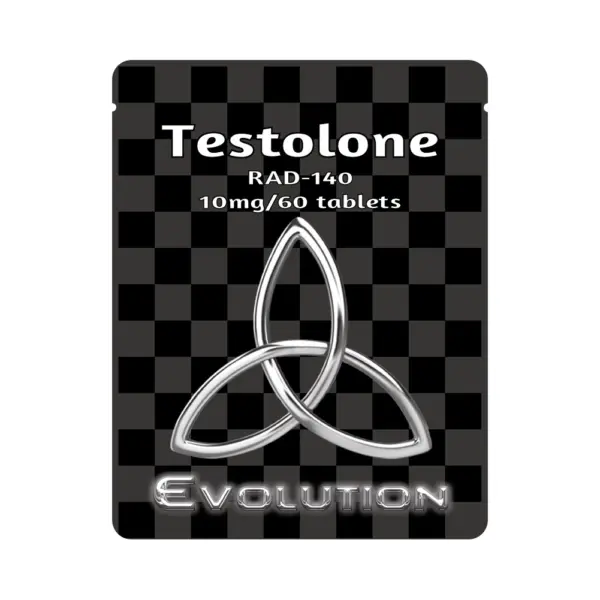
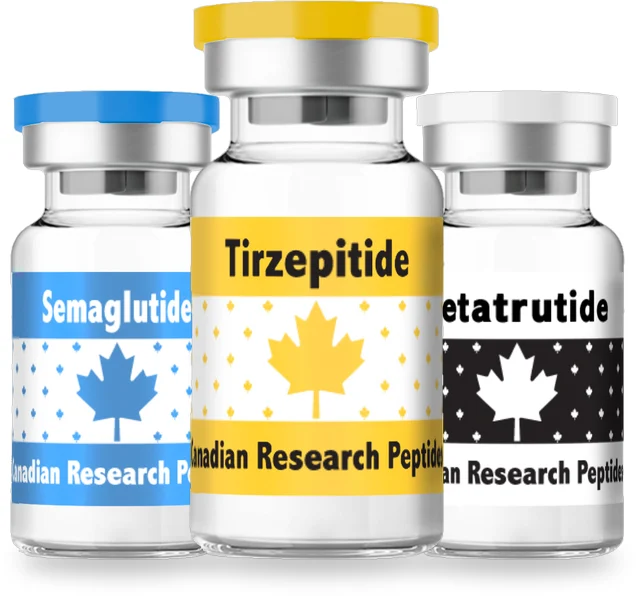
What is a peptide?
A peptide is a very small protein. It is a short chain of amino acids. Amino acids are the building blocks of every protein.
The human body makes peptides of its own. The ones we sell are built in a lab. They come as a dry white powder inside a vial. A vial is a small glass bottle with a rubber top.
The dry powder is not ready to use. A lab has to reconstitute it first. To reconstitute means to mix a dry powder with liquid. Most labs use bacteriostatic water for this. That is sterile water that stops bacteria growing in it.
How researchers use peptides
- Tissue models. Labs study BPC-157 and TB-500 in cell and tissue models.
- Receptor binding. A receptor is a docking spot on a cell. Studies measure which peptides bind where.
- Metabolic research. GLP-1 compounds such as semaglutide are studied in this field. GLP-1 is short for glucagon-like peptide-1.
- Copper chemistry. GHK-Cu is a peptide joined to a copper atom. Labs measure how it acts in skin cell models.
- Dosage response. Studies compare small mg and mcg amounts. One mg is 1000 mcg.
What we stock
Our main range sits in the research peptides category. It holds BPC-157, TB-500, GHK-Cu and more. Each one ships as a sealed vial of dry powder.
Some ranges have a page of their own. See BPC-157, semaglutide and tirzepatide.
You will want supplies as well. We sell bacteriostatic water and needles and syringes. The full store lists it all in one place.
-
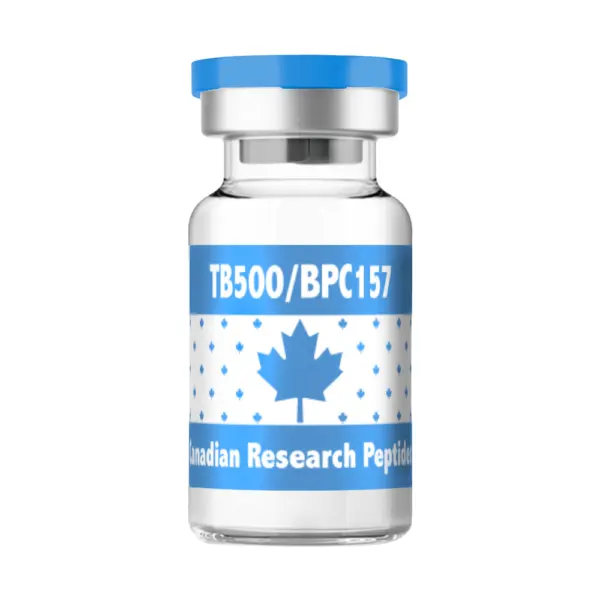
TB-500 / BPC-157 (Wolverine Stack)
$100.00 Add to cart -
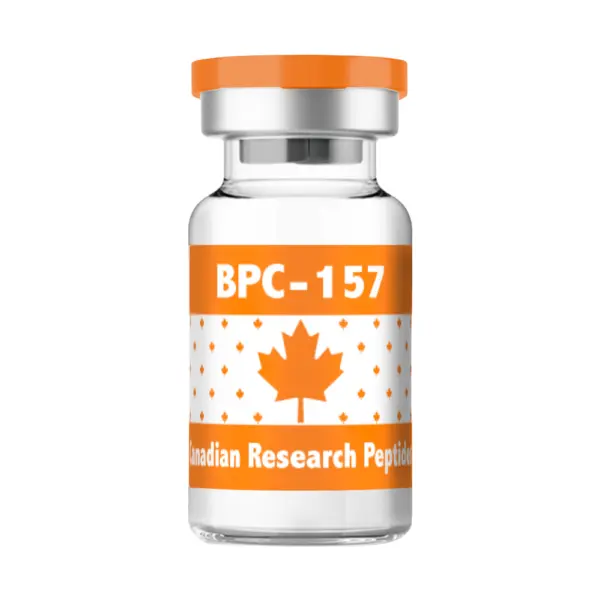
BPC-157
From $40.00 Choose options This product has multiple variants. The options may be chosen on the product page -
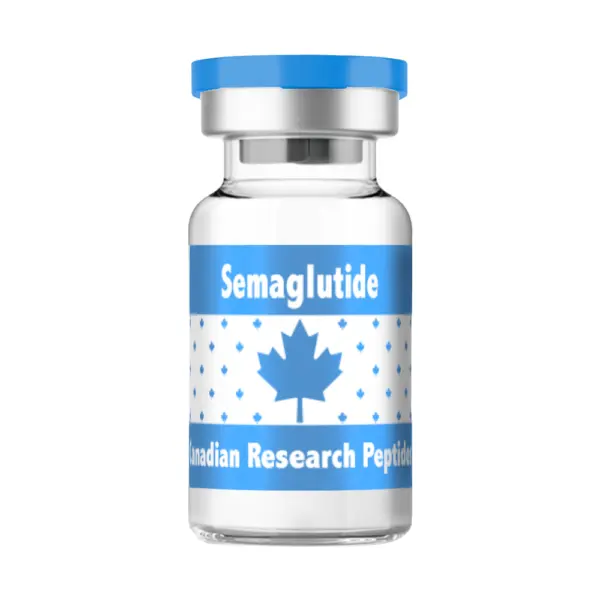
Semaglutide/GLP-1
From $45.00 Choose options This product has multiple variants. The options may be chosen on the product page -
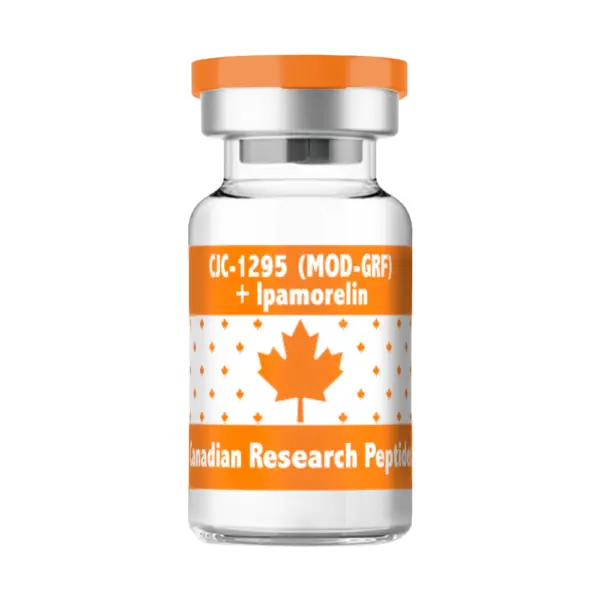
CJC-1295 (MOD-GRF) + Ipamorelin – 5mg+5mg/vial
$90.00 Add to cart -
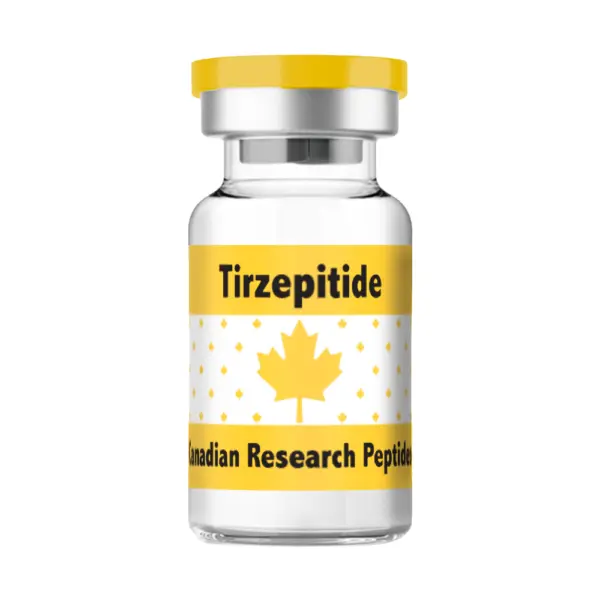
Tirzepatide
From $80.00 Choose options This product has multiple variants. The options may be chosen on the product page -
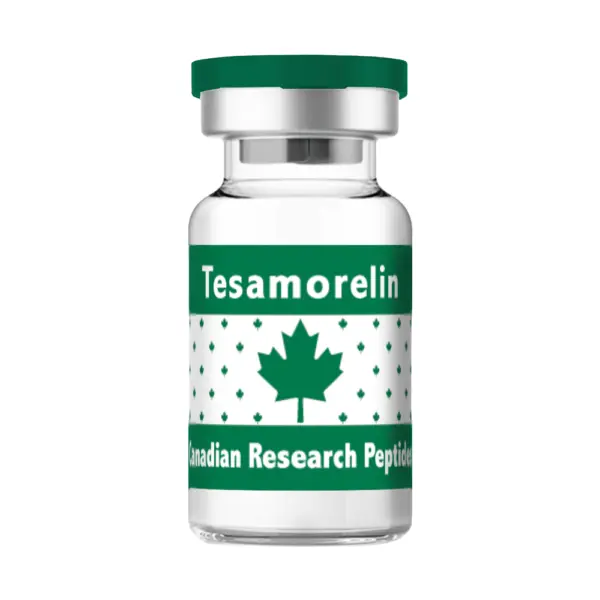
Tesamorelin
From $40.00 Choose options This product has multiple variants. The options may be chosen on the product page -
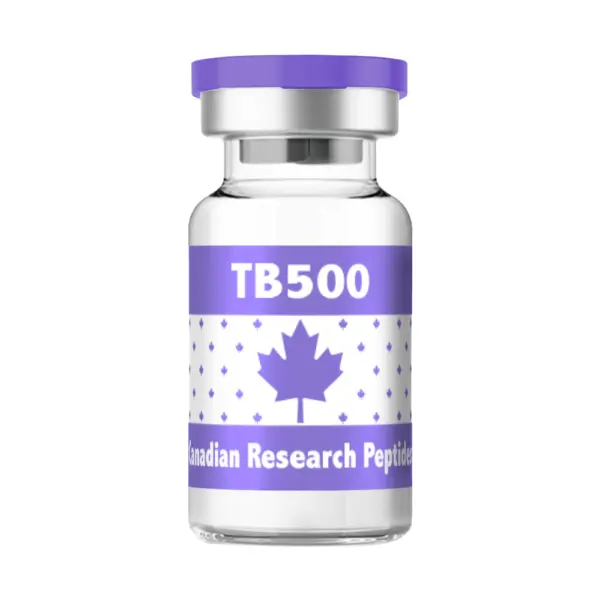
TB-500
From $60.00 Choose options This product has multiple variants. The options may be chosen on the product page -
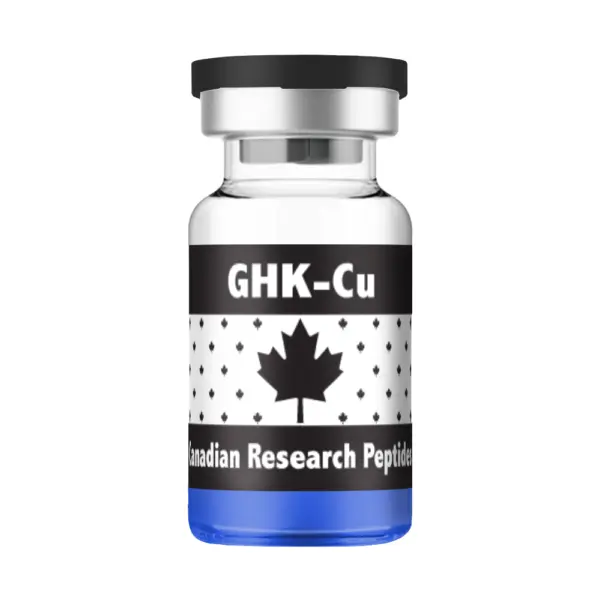
GHK-Cu 100mg/vial
$80.00 Add to cart -
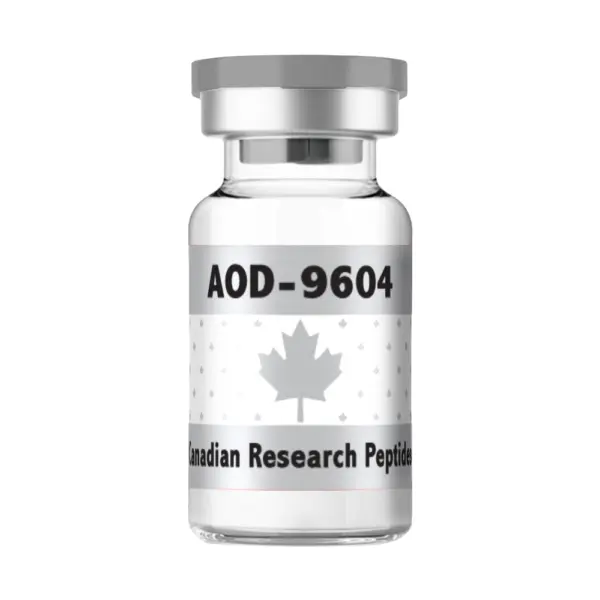
AOD 9604
From $35.00 Choose options This product has multiple variants. The options may be chosen on the product page -
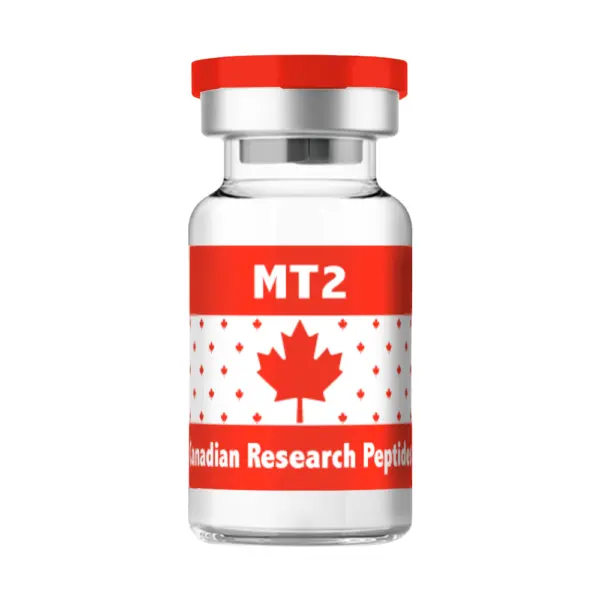
Melanotan II (MT2) – 10mgs/vial
$40.00 Add to cart -
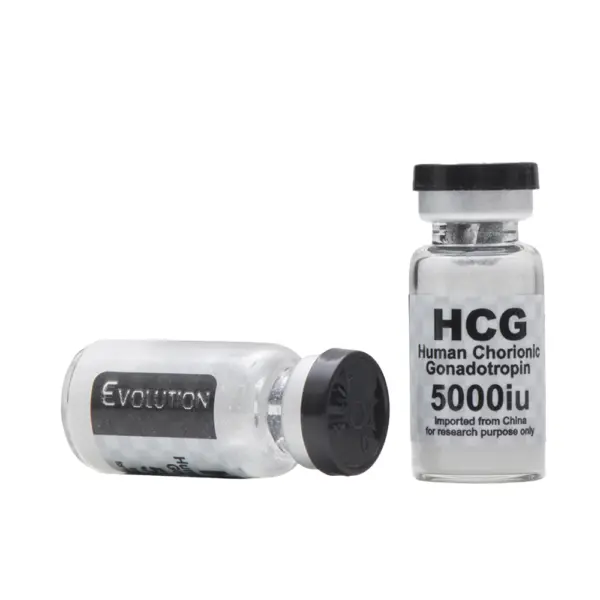
HCG (Human Chorionic Gonadotropin) – 5000iu/1 vial
$85.00 Add to cart -
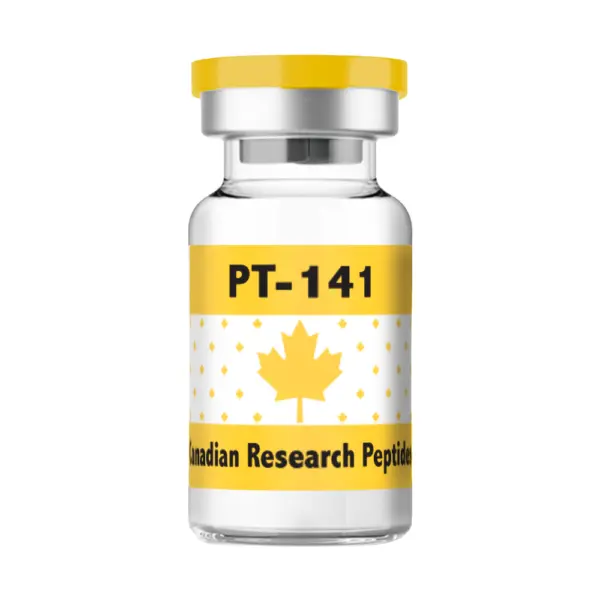
PT-141 (Bremelanotide) – 10mgs/vial
$60.00 Add to cart
Shipping in Canada
We ship right across Canada. Delivery takes 3 to 7 business days.
Orders go out with Canada Post or Federal Express. Tracking comes with every order. Orders over $399 CAD ship free.
Every box is plain and unmarked. The label does not say what is inside. You can pay by Interac e-Transfer at checkout.
Common questions
Do peptides need to be kept cold?
Yes, once they are mixed with liquid. Keep the mixed vial in a fridge.
Which peptides are the most popular?
BPC-157, TB-500 and the GLP-1 compounds are our top sellers.
Do you test what you sell?
Yes. Every product is quality tested for purity. COAs are on hand if you ask. A COA is a lab report on what a batch holds.
What else do I need to mix a vial?
You need bacteriostatic water and a syringe. We sell both.
What does mg mean on the label?
Mg is short for milligram. It tells you how much dry powder the vial holds.
Words you might not know
- Peptide — a very small protein, made of amino acids joined in a chain.
- Vial — a small glass bottle with a rubber top.
- Reconstitute — to mix a dry powder with liquid so it can be used.
- Bacteriostatic water — sterile water that stops bacteria growing in it.
- Receptor — a docking spot on a cell that a molecule binds to.
- COA — a certificate of analysis, which is the lab report on a batch.
- Mg and mcg — the two units used to measure a dose. One mg is 1000 mcg.
Sold for laboratory research only. Not for human consumption.